Jute Netting for Erosion Control
Biodegradable Jute Netting and Blankets
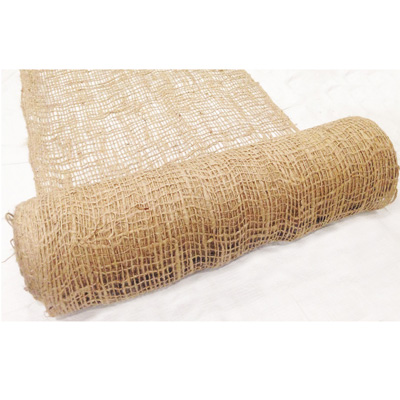
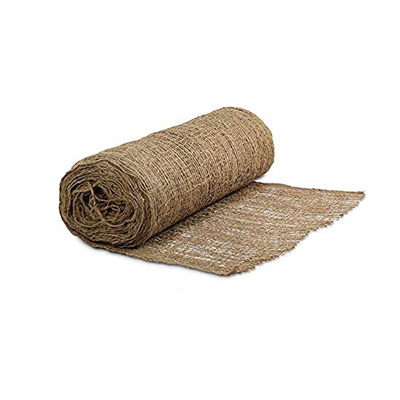
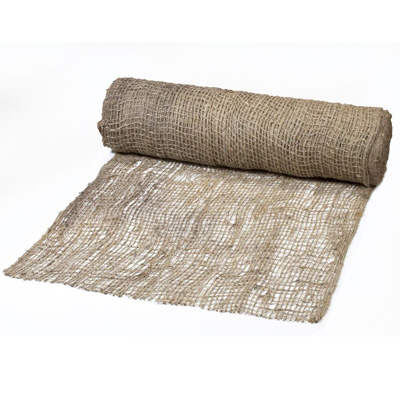
Strong and durable, jute netting provides a dependable solution for projects that need erosion control, mild to moderate slope stabilization, and new vegetation in challenging locations.
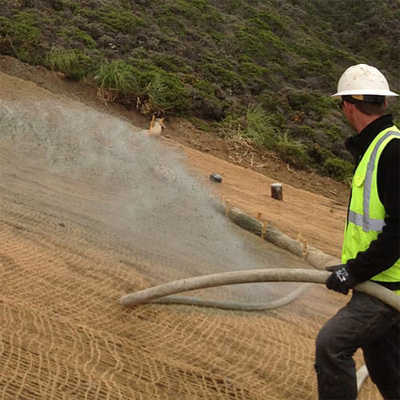
This biodegradable jute erosion control netting is commonly used as a jute biodegradable erosion control mat for soil stabilization on 3:1 slopes, low-to-moderate flow drainage channels, and backyard slopes. Jute netting erosion control products help protect new vegetation, reduce surface runoff velocity, and support stormwater BMPs for erosion control for slopes on roadside, residential, and municipal projects.
Our friendly staff is here to help you get the exact product you need!
Jute Netting for Erosion Control - Specifications
| Jute Roll Size: | 4' x 225' |
|---|---|
| Rolls per Pallet | 9 or 12 |
| Jute Netting Fabric Thickness | 0.25 inch (6 mm) |
| Recommended Slope | 3:1 |
| Recommended Flow | 6 fps (1.8 m/s) |
| Recommended Shear Stress | 0.45 lbs./ft² (22 N/m²) |
| Fabric Open Area | 70-75% |
| Jute Mesh Size | 11 mm x 18 mm |
| Water Absorption | >450% of fabric weight |
| Jute Matting Roll Weight | 92 lbs (+/- 5%) (500 g/m²) |
Jute Netting for Erosion Control Details
Biodegradable construction: Made from the same natural fibers as burlap, jute netting will eventually biodegrade, enriching the soil as it composts. This short-term jute erosion control netting is designed for low-to-moderate slopes and flow conditions, where it acts as a jute biodegradable erosion control mat to protect seed and topsoil until vegetation is established.
Project use and performance: By the time the jute netting has decomposed, planted, established vegetation will take over stabilizing the slope, controlling erosion for the long term. Jute erosion control netting supports erosion control for slopes in roadside, residential, and municipal projects where temporary stabilization and revegetation are required.
Packaging and availability: For bulk pricing, jute netting for erosion control is available in pallets of either 9 or 12 rolls and ships to US locations (with some international availability also).
Jute Netting Features
- Material: Biodegradable Jute Mesh
- Jute Roll Width: 4 ft.
- Jute Roll Length: 225 ft.
- Typical Project Lifespan: 6-9 months
Jute Netting Benefits
- Stabilizes Exposed Ground
- Provides Support for Young Vegetation
- Controls and Prevents Erosion
- Biodegradable and Safe for Environmentally Sensitive Areas
Jute Netting for Erosion Control Applications
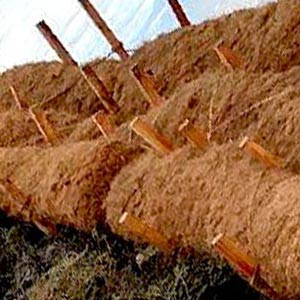
Jute netting is used for a variety of erosion control applications and is made solely of jute mesh. Options are also available that include coir, straw, or straw/coco blends surrounded by jute netting. Any of these options can provide you with a reliable netting fabric that will stabilize a project area and help facilitate vegetation growth.
Use jute netting for:
- Soil erosion control
- Slope/hillside stabilization
- Low-to-moderate flow drainage area stabilization
- Backyard slope stabilization
- Protects new vegetation growth
Choosing the right erosion control matting for a project isn't always easy. Please don't hesitate to contact our experts for assistance and pricing. Call us at 1-863-261-8388 for more information.
Jute Netting for Erosion Control – Installation
- Step 1: Prepare the ground by removing stones and sharp objects that could puncture the netting. Grade the slope per the project’s requirements so water flows in the intended direction, and add any needed soil amendments (for example, fertilizer) if vegetation will be planted.
- Step 2: Apply seed either before placing the jute erosion control netting or broadcast seed over the matting after installation, according to the project plans.
- Step 3: Dig a small anchor trench (approximately 6" wide by 6" deep) across the top of the slope. Place the leading edge of the jute erosion control netting in the trench with about 12" extending upslope past the trench.
- Step 4: Stake or staple the netting in the trench at regular intervals (generally no more than 12" apart), selecting stakes or staples appropriate for the soil type. Backfill and compact the trench, then fold the 12" of exposed netting back down over the trench and fasten again to lock the anchor point in place.
- Step 5: Unroll the remaining jute netting down the slope, keeping the matting in full contact with the soil surface and avoiding bridging or air gaps.
- Step 6: Overlap adjacent rolls by at least 3" at seams, shingling in the direction of flow, and stake or staple all overlaps and edges so the matting cannot lift or shift.
Need more information on our biodegradable erosion control solutions? See our Erosion Control Line Card.
These installation steps are general best practices for jute erosion control netting. Always follow engineered drawings, site-specific requirements, permit conditions, DOT specifications, and local regulations for erosion control and slope stabilization on your project.
Jute Netting for Erosion Control– Frequently Asked Questions
Great question. When it comes to erosion control, you'll definitely want to consider your site conditions before choosing an erosion control product like jute erosion control netting. Jute erosion control netting is best used on sites with low-to-moderate slopes (up to 3:1). Water flow through the project area should also be low-to-moderate (no more than 6 feet per second). Under these conditions and if properly anchored, it should last in the field for 6-to-9 months.
We recommend following the installation recommendations for best field performance when installing jute netting. Environmental factors place more pressure on the jute netting than you might realize. Properly anchoring the netting helps keep the fabric securely in place and can make a significant difference in the success of the project.
Have Questions? Call Us Now!
Our team is ready to assist you with any inquiries.
Call Us: 1-863-261-8388